Mythologies of Tibet

TIBETAN CREATION AND FLOOD MYTH

Myths served as the basis for rituals by which the ways of humanity and those of nature could be psychologically reconciled. Myths are an important part of every society, including our own. Without at least a basic understanding of a cultures myths it’s impossible
to fully understand that culture because myths express a societies beliefs
and justify it’s institutions, customs and values.

TIBET: THE LAND OF MYTHS AND MYSTICISM
Tibet, the “forbidden land’ that was once shunned to the outer world, lies beyond the mighty Himalayas on the highest plateau in the world. Located 5,000 meters above sea level, Tibet is also known as the ‘Roof of the World’. This Buddhist Kingdom that remained long closed to foreigners and isolated to the world outside until recently, holds a strong fascination for many people, scholars, pilgrims, travelers and explorers alike who are all in pursuit of real “Shangri La”. The land of snows – Tibet never fails to charm visitors from all over the world. Heavenly lakes, mysterious rivers and breathtaking landscape, Tibet is nature’s paradise and is sure to leave you amazed with an unforgettable experience of land, people and mysticism. Apart from its geographical and natural wonders, Tibet’s long history, ancient culture, heritage and religion appeals people worldwide to visit this mysterious land.

Mythology of Tibetan Mountain Gods
There are countless high mountains in Tibet, and ancientTibetans believed that Gods resided on every one of them. The worship of mountain Gods was one of the most important forms of natureworship among ancientTibetans; it was fundamental to their entire belief system. Each mountain God possessed his own territory and was in charge of particular affairs. Around each God sprang up myths, legends, sacrificial rites and procedures. Analysis of Tibetan mountain Godworship should lead to a fuller understanding of Tibetanmythology, and to a vision of the larger structures of that mythology.

The myths of Shangri-La and the harsh realities of the past Tibet
The Myths, Challenges, and Rewards of Tantra
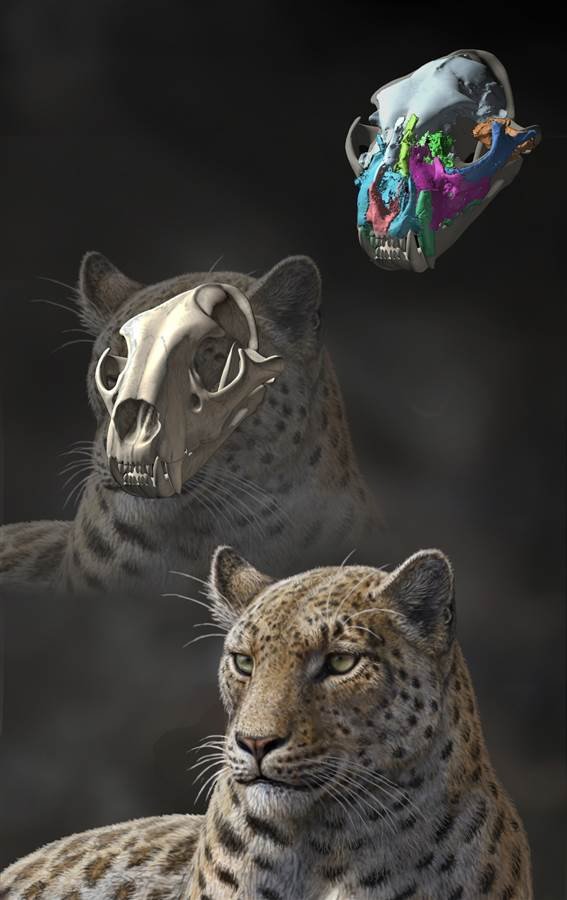
Tibetan Myths Surrounding Snow Leopards
Tibetan tales: old myths, new realities
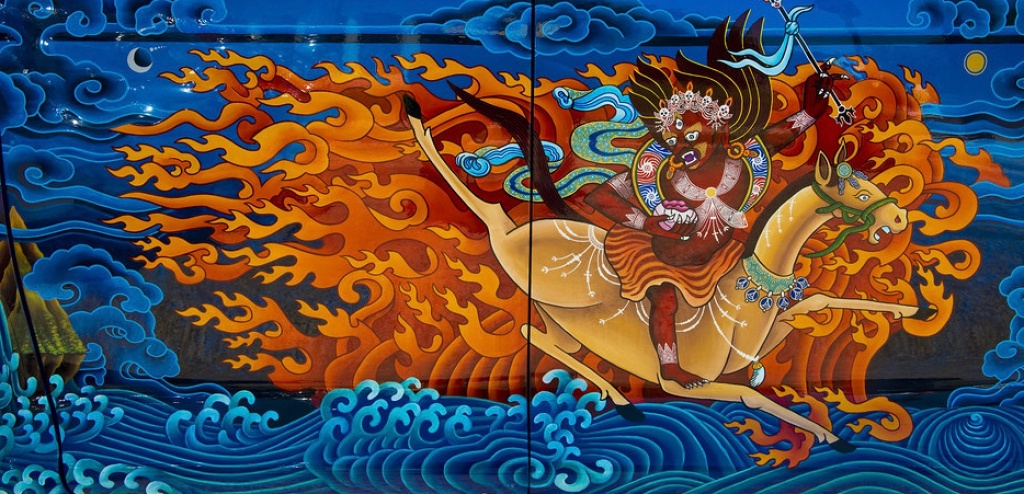
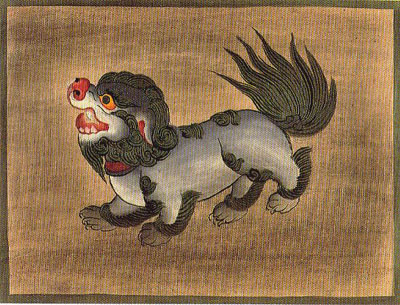
Tibetan mythology refers to the traditional as well as the religious stories that have been passed down by the Tibetan people. Tibetan mythology consists mainly of national mythology stemming from the Tibetan culture as well as religious mythology from both Tibetan Buddhism and Bön Religion. These myths are often passed down orally, through rituals or through traditional art like sculptures or cave paintings. They also feature a variety of different creatures ranging from gods to spirits to monsters play a significant role in Tibetan mythology with some of these myths have broken into mainstream Western media, with the most notable one being the Abominable Snowman – the Yeti.

Buddhas
SHAKYAMUNI
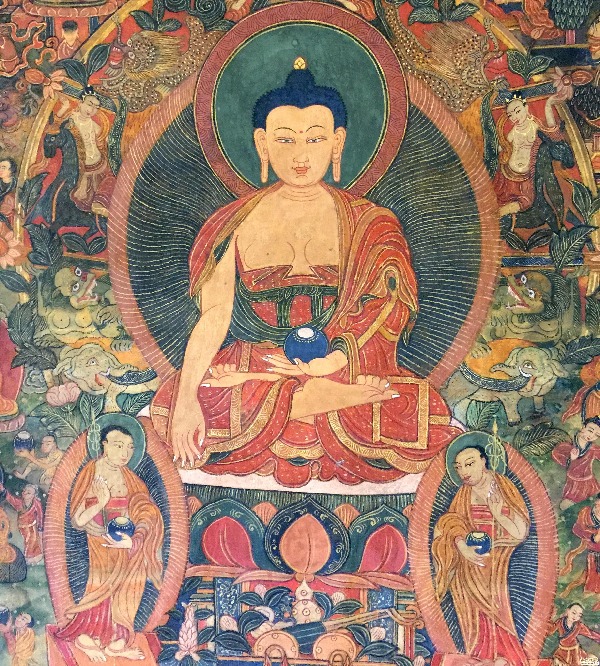
Shakyamuni, formerly known as Gautama Siddhartha, is the founder of Buddhism. Shakyamuni was born in Kapilavastu, the north of ancient India around 500BC, and he was the son of King Śuddhodana. After enlightenment, he was respected by the world as “Sakyamuni”, meaning “the sage of the Sakyamuni”.
Bodhisattvas
Bodhisattva figures also account for a large proportion of Tibetan Buddhism. In Tibetan Buddhism, Guanyin is the most respected person in the Bodhisattva beliefs, followed by Manjusri, Samantabhadra, Ksitigarbha Bodhisattva, etc. Avalokitesvara with a thousand hands and a thousand eyes is a common kind of Guanyin.
Guanyin
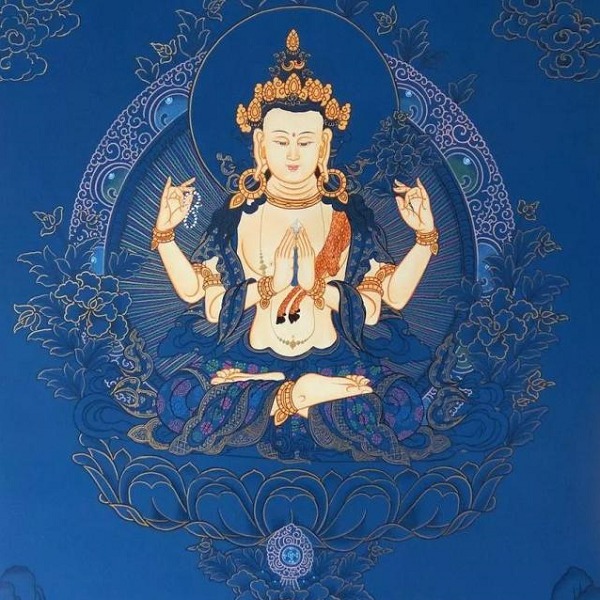
Guanyin is the incarnation of wisdom and compassion in Buddhism. When all beings encounter any difficulties and pains and can recite the name of Guanyin sincerely, they will be rescued by Guanyin. The famous Potala Palace in Lhasa is considered to be the dojo of Guanyin Bodhisattva.
Manjusri
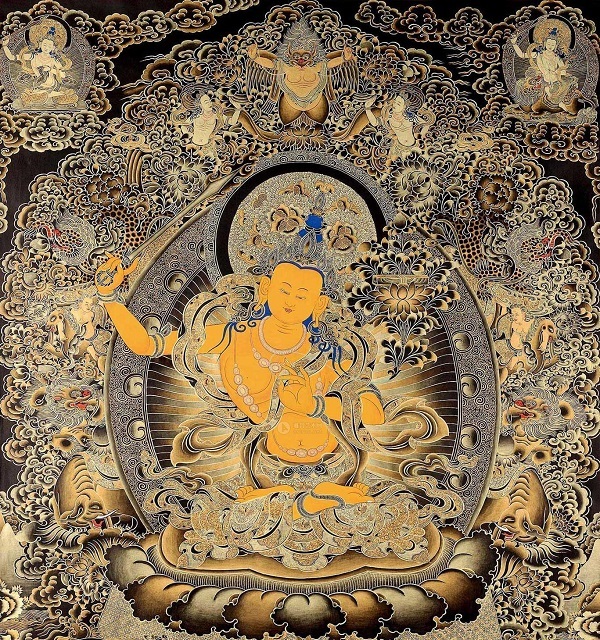
Manjusri Bodhisattva is responsible for wisdom in Buddhism, and his dojo is in Mount Wutai, Shanxi, China. In Buddhist temples, he usually stands on the left side of Sakyamuni Buddha, serving as the left guard.
Taras
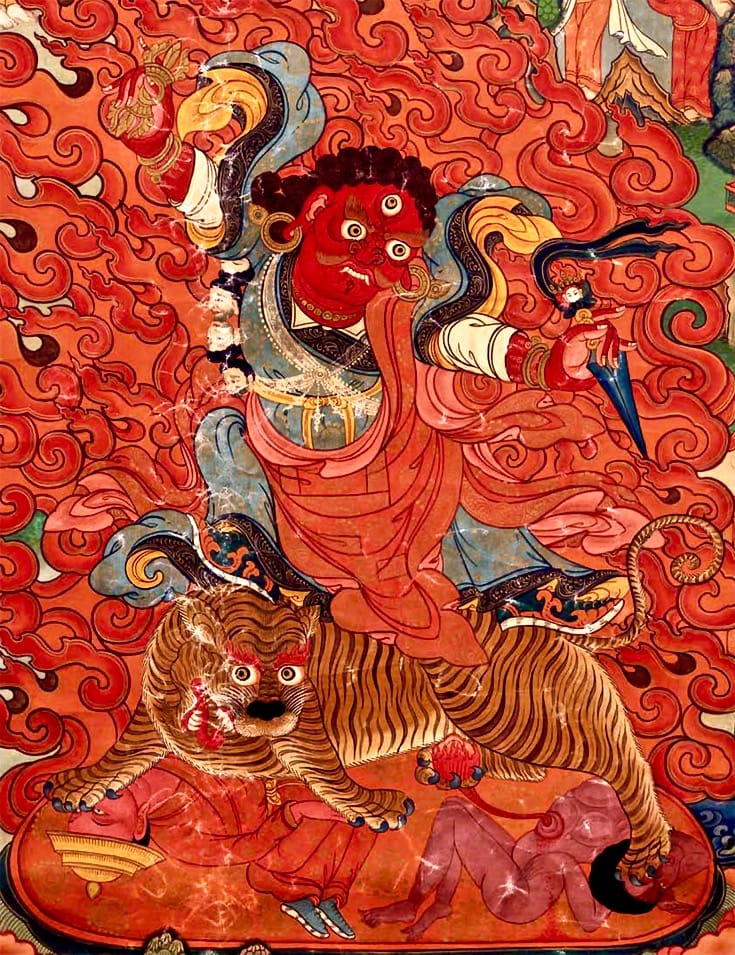
In Tibetan Buddhism, Tara is called “Dolma”. According to legend, she is the incarnation of Guanyin Bodhisattva who manifested herself to save the sufferings. According to the sutra, Tara is transformed from the eyes of Guanyin Bodhisattva. There are 21 forms in total. They have different body colors. Tibetan Buddhism calls them 21 Tara. The most common and popular Tara statues in Tibetan monasteries are White Tara and Green Tara.
WHITE TARA
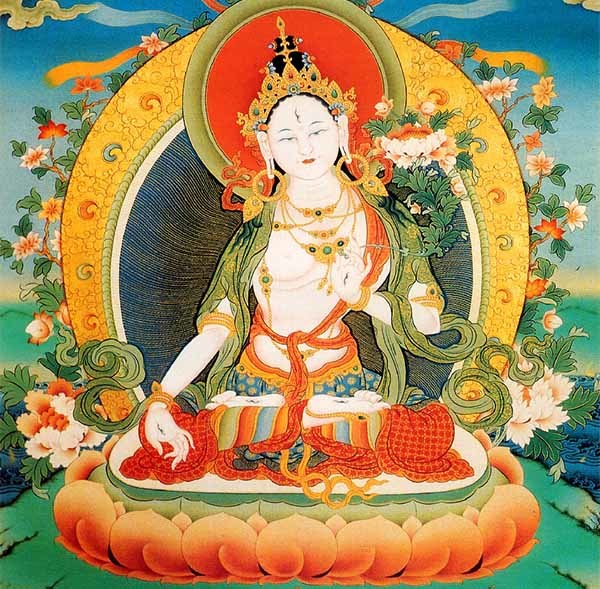
In Tibetan Buddhism, White Tara is one of the three deities of longevity. If we want to live longer for ourselves or others, praying for White Tara is very important. White Tara has a pure white body as well a dignified and peaceful face. She has one eye on her hands and feet, and three eyes on her face, so she is also called the seven-eyed goddess.
GREEN TARA
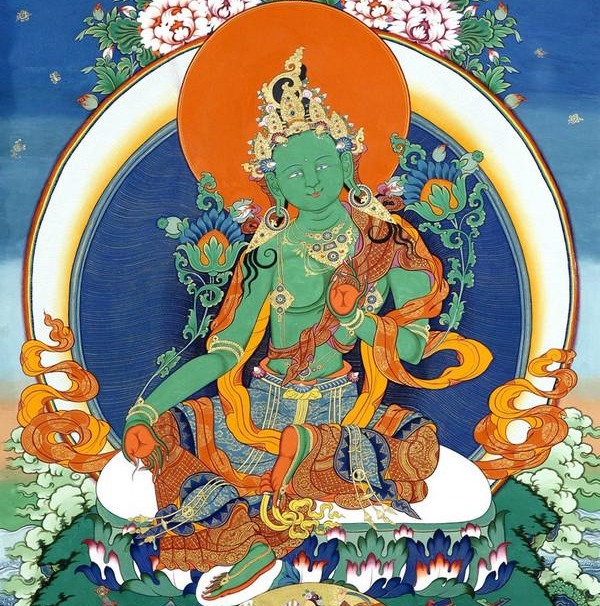
She can save eight kinds of suffering. At the same time, she can turn the “suspicion”, one of the Five Poisons in human behavior into complete wisdom, which has the merits of protecting women and children. The statue of Green Tara is in Bodhisattva costume. The whole body is emerald green, and her head is wearing a small five Buddha crown. Her left hand is placed on the chest, holding Utpala flower (blue lotus), and the right leg is stretched out.
Goddesses
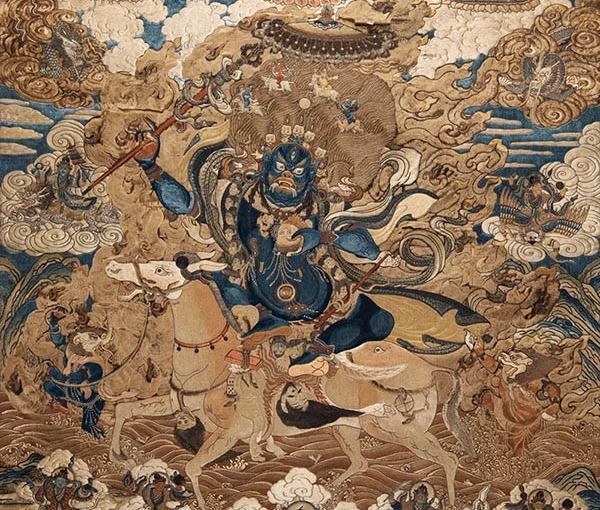
They are female protector deities worshipped in Tantric Buddhism. According to Tibetan Buddhism, the goddess is the source of all Buddhas. It mainly includes Palden Lhamo, Dakini, Usnisavijaya, Ushnisha Sitatapatra, and so on.
Dharma Protectors
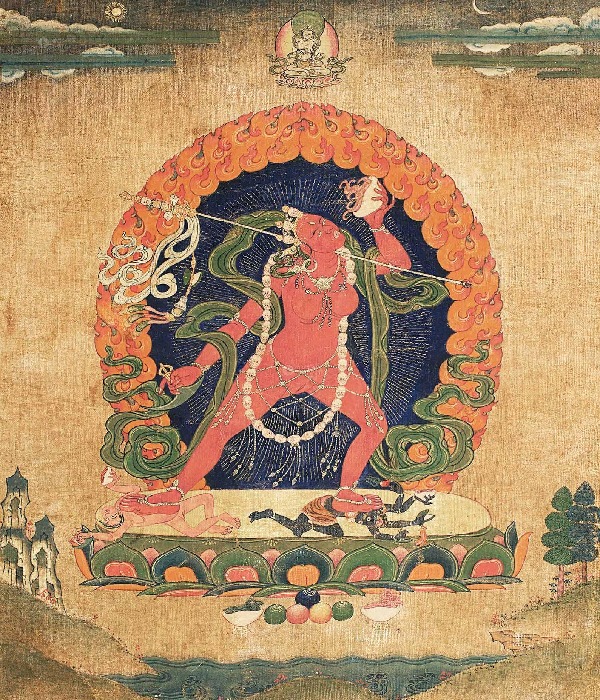
Dharma protectors are the deities who protect the Buddha’s Dharma. Buddhism believes that when the Bodhisattva spreads the Dharma if there are no effective protectors, Buddhism will fall. They can benefit all living beings, as well as drive away those who endanger Dharma. They have extraordinary supernatural powers and are invincible. Many figures are the combinations of ancient Indian Brahmanism and Tibetan primitive religion – Bon.
Vajra Holders
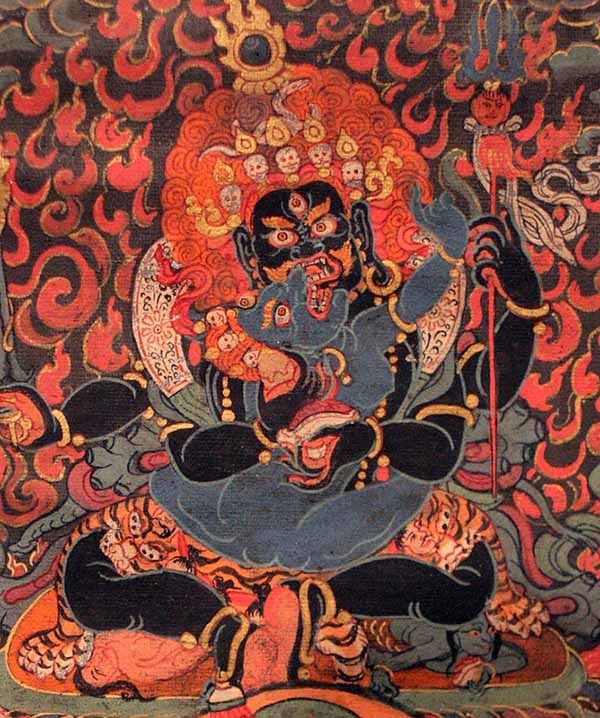
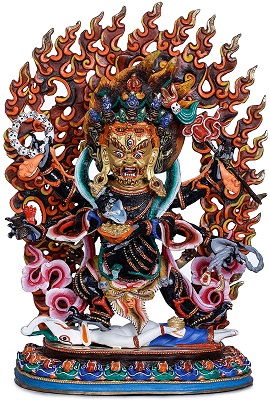
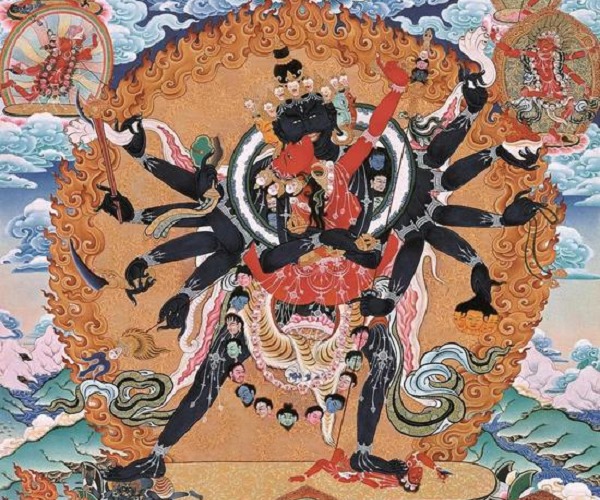
Vajra holders are mainly the deity or protector of Tantric practice in Tibetan Buddhism. The most famous and common ones in Tantric Buddhism are Cakrasamvara, Yamantaka, Hayagriva, Guhyasamāja vajra, Guhyasamāja and so on. Its characteristics generally appear in the image of anger and majesty and have the power to deter evil.
Masters
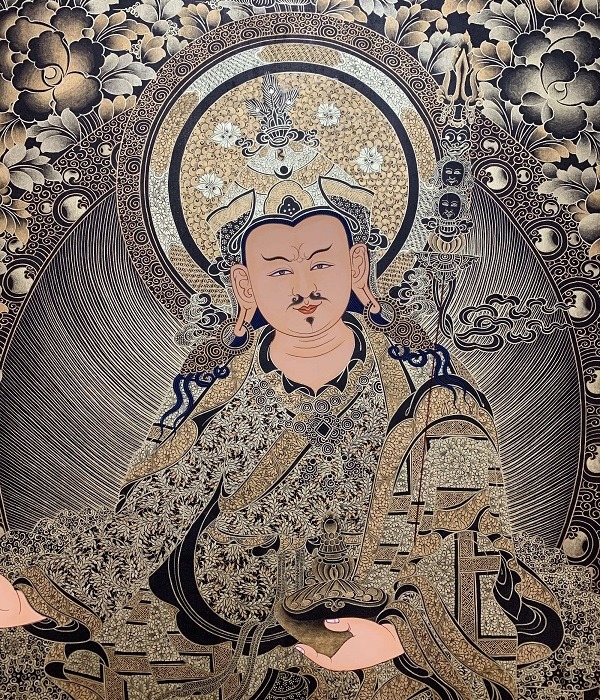
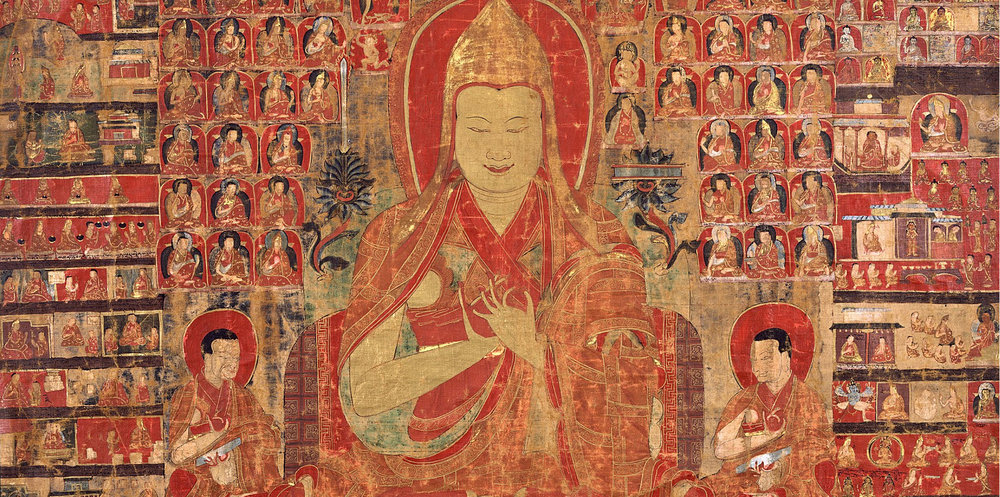
Master mainly refers to the founders of various sects in the history of Tibetan Buddhism, or the figures of famous monks of that sect. Among them, the most commonly known are the Guru Padmasambhava, founder of the Nyingma School, Atisha and Mirarepa of the Kadam School, Guru Tsongkhapa, founder of the Gelug School, and Dalai Lamas and Panchen Lamas.
Dharampalas [known in Tibetan as Drag-ched]
The most important category of these deities is the group of eight, known as Dharampalas (Sans. Dharam: religion; Pala: protector), known in Tibetan as Drag-ched. The Dharampalas, or defenders of Buddhism, are divinities with the rank of Bodhisattva, and are supposed to wage war without any mercy against the demons and enemies of Buddhism.

THESE EIGHT DEITIES ARE:
YAMA: THE GOD OF DEATH
MAHAKALA: THE GREAT BLACK ONE
YAMANTAKA: THE CONQUEROR OF DEATH
KUBERA
HAYAGRIVA
PALDEN LHAMO
TSHANGS PA
BEGTSE
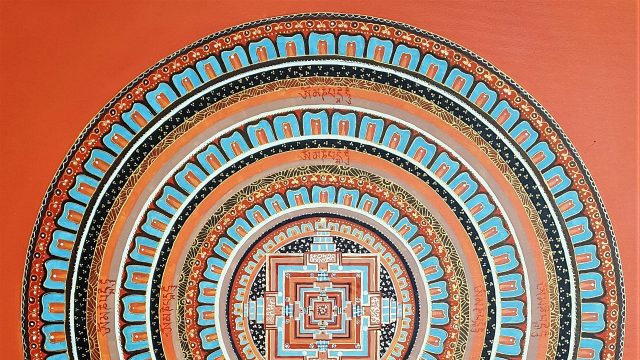
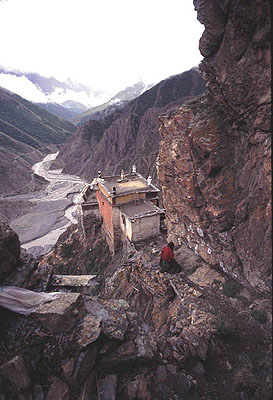
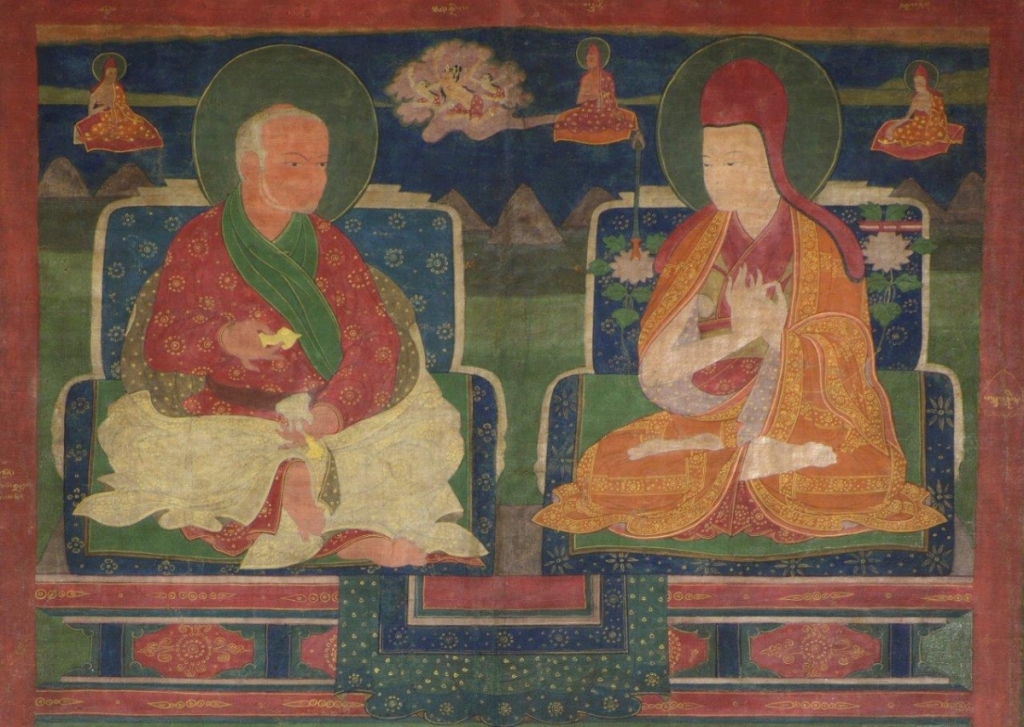
The Zang ethnic minority, also known as Tibetan, mainly lives in the Tibetan Autonomous Region on the Tibetan Plateau. Living on the world famous plateau, they boast a unique lifestyle and set of skills. In the field of the arts, Tibetan calligraphy values strictness and delicateness, be it on steles or sutras; the Thangka and other Buddhist pictures, with fluent lines and bright colors, depict figures vividly; their architecture, like the Potala Place and Jokhang Temple, is charming and brilliant; the Zang people are famous for expressing their feelings through song and dance, notably the step dance and the masked Tibetan opera. According to archeological findings, the ancestors of the Zang lived in the Brahmaputra River delta. Historical records suggest that the Zang were part of the Xiqiang group during the Han Dynasty (206 BC – 220). As the Han people stepped into the Tang Dynasty (618 – 907), they and the Zang developed a profound friendship, which culminated in the marriage of the Tang princess Wencheng and the leader of Tibet, Songtsen Gampo. Many believe that it was Princess WenCheng that first brought Buddhism to Tibet, where it quickly spread. The Zang people believe in the Indian Mahayana form of Buddhism but have gradually developed a distinctive Tibetan Buddhism which is also called Lamaism.

The Zang ethnic minority (also known as Tibetan People) mainly live in the Tibetan Autonomous Region on the Tibetan Plateau, with some groupings in Qinghai, Gansu, Sichuan and Yunnan Provinces. The national census of 2000 showed that it had a population of 5,416,021. The Tibetan language that belongs to the Tibetan-Burman group of the Sino-Tibetan language family is divided into three dialects and has both spoken and written forms. According to archeological findings, their ancestors lived in the Brahmaputra River delta. Historical records suggest that the Zang were part of the Xiqiang group during the Han Dynasty (206 BC – 220). As the Han people stepped into the Tang Dynasty (618 – 907), they and the Zang developed a profound friendship, which culminated in the marriage of the Tang princess Wencheng and the leader of Tibet, Songtsen Gampo. Many believe that it was Princess WenCheng that first brought Buddhism to Tibet, where it quickly spread. In the 13th century, the Mongols established the Yuan Dynasty (1271 – 1368), and began to exert sovereignty in Tibet.

The most important festival is the first day of the Tibetan New Year. They clean their rooms in preparation for that day, paint symbols of auspice, and warmly greet each other in the morning. On the fifteenth day, they attend the Butter Lamp Festival. Another festival, the Saka Dawa Festival falls on the fifteenth day of the fourth month, and celebrates the birth of Sakyamuni and the arrival of Princess Wencheng. This festival involves a wide range of activities. On the Shoton Festival, the first day of the seventh Tibetan month, they take pots and wares to enjoy tea, yogurt and yak butter tea in a scenic place. The Great Prayer Festival and The Bathing Festival are also important festivals. If you are a guest in Tibet, the Zang people may give you a gift of a hada, a kind of white ribbon, which represents their warmest heart. Usually the Zang people eat three meals a day, but during the busy harvest season they will have four, five and often more. Their staple foods are tsamba, yak butter tea, mutton, and beef. Tsamba, made of highland wheat is convenient to carry around and eat whenever you want, so you can see many of them carrying tsamba bags. As for drinks, they enjoy chang, a type of wine also made from highland wheat, and milk tea. The Tibetan knife, sharp and delicate, is often used to cut meat.

The traditional local clothes are thick, warm and loose with wide waist and long sleeves and skirts. Usually, some space is left on the chest to hold food and children, just like a bag. When it is hot, a sleeve or two will be taken off and tied about the waist to adjust the body temperature. When night falls, two sleeves will be taken off and the clothes can be used as a big sleeping bag. Most people here are devout Buddhists while a few believe in the old Bon. Islam and Catholicism also have a few followers in Lhasa and Yanjing respectively. In this case, the land boasts temples and religious sites. The Jokhang Temple and the Sera Monastery are the famous ones. Strolling on the street there, you could find many Mani Stones, colorful prayer flags and people wheeling prayer wheels, all of which are important elements of local buddhism. The locals enjoy some distinctive traditional entertainment activities like wrestling, tug-of-war, horse-racing and archery, etc. They are also excellent singers and dancers, earning the reputation, ‘Sea of Dances and Songs’ for the land. On this land, there are also many ethnic festivals held every year. If you happen to be there on those days, you could join them to fully experience their unique and interesting customs.

The Zang ethnic minority (also known as Tibetan) mainly live in the Tibetan Autonomous Region on the Tibetan Plateau£¬with some groupings in Qinghai, Gansu, Sichuan and Yunnan Provinces. The national census of 2000 showed that the Zang had a population of 5,416,021. The most important festival in the calendar is the first day of the Tibetan New Year. They clean their rooms in preparation for that day, paint symbols of auspice, and warmly greet each other in the morning. On the fifteenth day, they attend the Butter Lamp Festival. On the Shoton Festival, the first day of the seventh Tibetan month, they take pots and wares to enjoy tea, yogurt and yak butter tea in a scenic place. The Great Prayer Festival and The Bathing Festival are also important festivals. If you are a guest in Tibet, the Zang people may give you a gift of a ‘hada’, a kind of white ribbon. This represents their warmest heart.

The Zang Ethnic Minority (Also Known As Tibetan) Mainly Live In The Tibetan Autonomous Region On The Tibetan Plateau, With Some Groupings In Qinghai , Gansu , Sichuan And Yunnan Provinces. The National Census Of 2000 Showed That The Zang Had A Population Of 5,416,021. According To Archeological Findings, The Ancestors Of The Zang Lived In The Brahmaputra River Delta. Historical Records Suggest That The Zang Were Part Of The Xiqiang Group During The Han Dynasty (206 BC – 220). As The Han People Stepped Into The Tang Dynasty (618 – 907), They And The Zang Developed A Profound Friendship, Which Culminated In The Marriage Of The Tang Princess Wencheng And The Leader Of Tibet, Songtsen Gampo. Many Believe That It Was Princess WenCheng That First Brought Buddhism To Tibet, Where It Quickly Spread. In The 13th Century, The Mongols Established The Yuan Dynasty (1271 – 1368), And Began To Exert Sovereignty In Tibet. Living On The World Famous Plateau, The Tibetan People Also Boast A Unique Lifestyle And Set Of Skills. In The Field Of The Arts, Tibetan Calligraphy Values Strictness And Delicateness, Be It On Steles Or Sutras; The Thangka And Other Buddhist Pictures, With Fluent Lines And Bright Colors, Depict Figures Vividly; Their Architecture, Like The Potala Place And Jokhang Temple, Is Charming And Brilliant; The Zang People Are Famous For Expressing Their Feelings Through Song And Dance, Notably The Step Dance And The Masked Tibetan Opera. Princess Wencheng Is One Of The Eight Best Known Plays.


Comments
Post a Comment